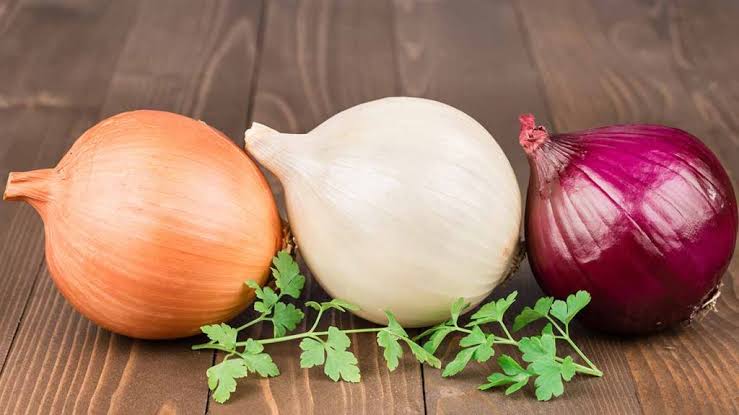
Onions are one of the most common foods found in kitchens around the world, yet they are often overlooked when talking about health and immunity. Beyond adding flavor and aroma to meals, onions play an important role in supporting the human body.
They contain natural compounds that help fight illness, strengthen the immune system, and support overall wellness. From raw onions in salads to cooked onions in soups and sauces, this simple vegetable carries powerful health benefits.
This article explores what onions are, the different types of onions, their benefits, and what onions actually do inside the human body.
What Are Onions?
Onions are bulb-shaped vegetables that belong to the Allium family, which also includes garlic, leeks, and shallots. They have been grown and used for thousands of years, not only as food but also for medicinal purposes. Ancient civilizations valued onions for their healing properties, energy-boosting effects, and ability to fight infections.
Onions are rich in water, fiber, vitamins, minerals, and natural plant compounds. They are low in calories but high in nutrients, making them a healthy addition to daily meals.
Read Also: 10 Most Profitable Farming Businesses You Can Start Today!
Types of Onions
There are several types of onions, and each one has its own taste, appearance, and health value. While they all share similar benefits, some types contain higher levels of certain compounds.
1. Red Onions
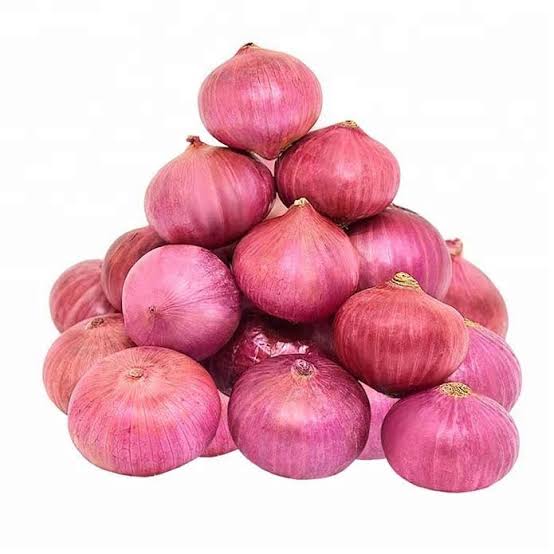
Red onions are easily identified by their deep purple to reddish skin and attractive white flesh streaked with shades of red. Compared to other onion varieties, they have a milder and slightly sweet flavor, which makes them especially suitable for eating raw.
Because they are not overly sharp, red onions are commonly sliced and added to salads, sandwiches, burgers, wraps, and fresh garnishes. Their vibrant color also enhances the visual appeal of meals, making dishes look more appetizing while adding a crisp texture and refreshing taste.
One of the most important health benefits of red onions is their high antioxidant content. They are particularly rich in anthocyanins, the natural plant pigments responsible for their red and purple color.
Anthocyanins are powerful antioxidants that help protect the body from oxidative stress caused by free radicals. By neutralizing these harmful compounds, red onions support the immune system and reduce the risk of chronic inflammation, which is linked to many health problems.
In addition to anthocyanins, red onions contain other beneficial antioxidants and plant compounds that work together to strengthen the body’s natural defense system. These compounds help lower inflammation, support heart health, and may reduce the risk of certain diseases over time.
Eating red onions regularly, especially in their raw form, allows the body to absorb more of these antioxidants, as cooking can sometimes reduce their effectiveness. Overall, red onions are not only a flavorful and colorful ingredient but also a nutritious choice that supports immune health, reduces inflammation, and contributes to long-term wellness.
2. White Onions
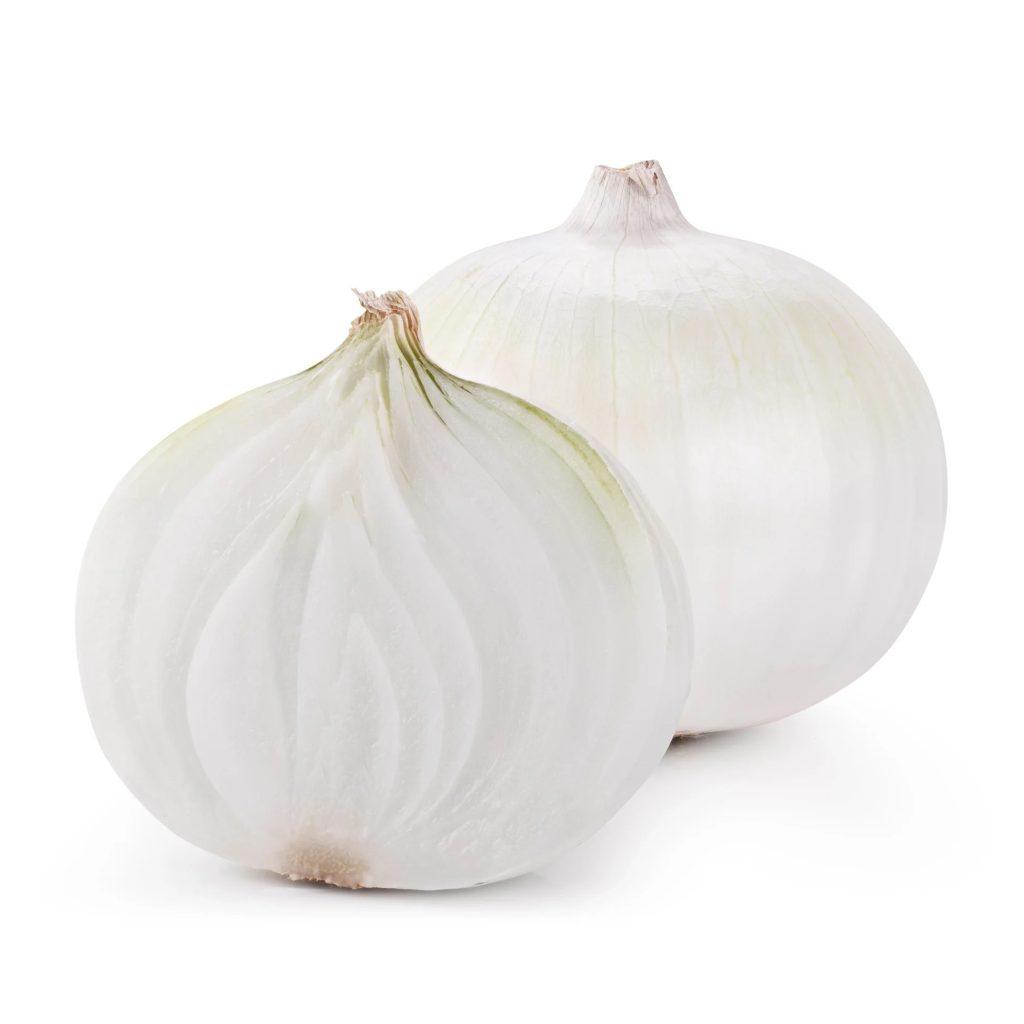
White onions are known for their thin, papery white skin and crisp white flesh. They have a sharp, slightly spicy flavor that is more intense than red onions but cleaner and less sweet than yellow onions. Because of this bold taste, white onions are widely used in cooking, especially in sauces, stir-fries, soups, stews, and traditional dishes where a strong onion flavor is needed. When cooked, their sharpness softens, and they develop a mild sweetness that blends well with other ingredients, making them a staple in many kitchens.
From a nutritional perspective, white onions are valued for their high content of sulfur-containing compounds. These natural sulfur compounds are responsible for the onion’s strong aroma and pungent taste, and they play an important role in supporting the immune system.
They help stimulate the body’s natural defense mechanisms, making it easier for the immune system to respond to infections. These compounds also have antimicrobial properties, which means they can help the body fight harmful bacteria and viruses.
In addition, the sulfur compounds in white onions support detoxification processes in the body by helping the liver break down and remove toxins more efficiently. They also contribute to reducing inflammation and supporting overall cellular health. Regular consumption of white onions, whether cooked or lightly sautéed, can therefore help strengthen immunity, protect against infections, and promote general well-being. With their strong flavor and powerful health benefits, white onions are both a practical cooking ingredient and a valuable addition to a healthy diet.
3. Yellow Onions
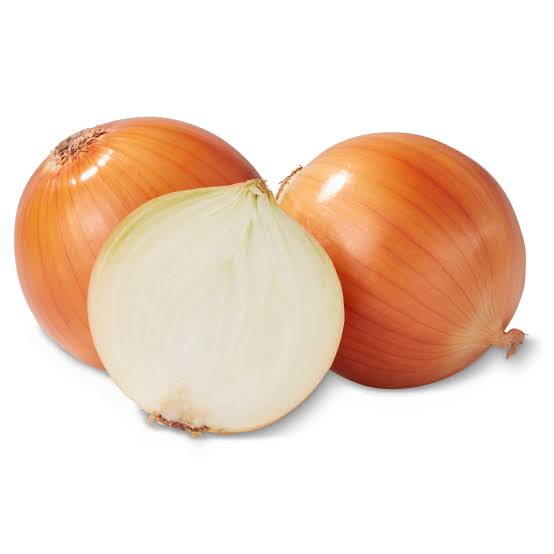
Yellow onions are the most widely used and easily available type of onion in many parts of the world. They are recognized by their golden-brown, papery skin and firm white flesh. When eaten raw, yellow onions have a strong, sharp flavor that can be quite intense. However, once they are cooked, their taste changes significantly.
The heat breaks down their natural compounds, bringing out a rich sweetness that adds depth and flavor to many dishes. Because of this balance between sharpness and sweetness, yellow onions are a staple ingredient in soups, stews, sauces, curries, roasted dishes, and everyday home cooking.
Nutritionally, yellow onions are especially valued for their high content of quercetin, a powerful antioxidant found in many plant foods. Quercetin plays an important role in supporting immune function by helping the body reduce inflammation and fight oxidative stress.
It strengthens the immune system by protecting cells from damage caused by free radicals, which can weaken the body’s natural defenses over time. This makes yellow onions a helpful food for maintaining overall immune health, especially when consumed regularly as part of a balanced diet.
In addition to supporting immunity, quercetin in yellow onions is also known for its benefits to heart health. It helps improve blood circulation, reduce inflammation in blood vessels, and may contribute to lowering blood pressure and supporting healthy cholesterol levels. These effects work together to protect the heart and reduce the risk of cardiovascular problems. With their rich flavor, versatility in cooking, and impressive health benefits, yellow onions are not only an essential kitchen ingredient but also a nutritious food that supports long-term wellness.
4. Green Onions (Spring Onions)
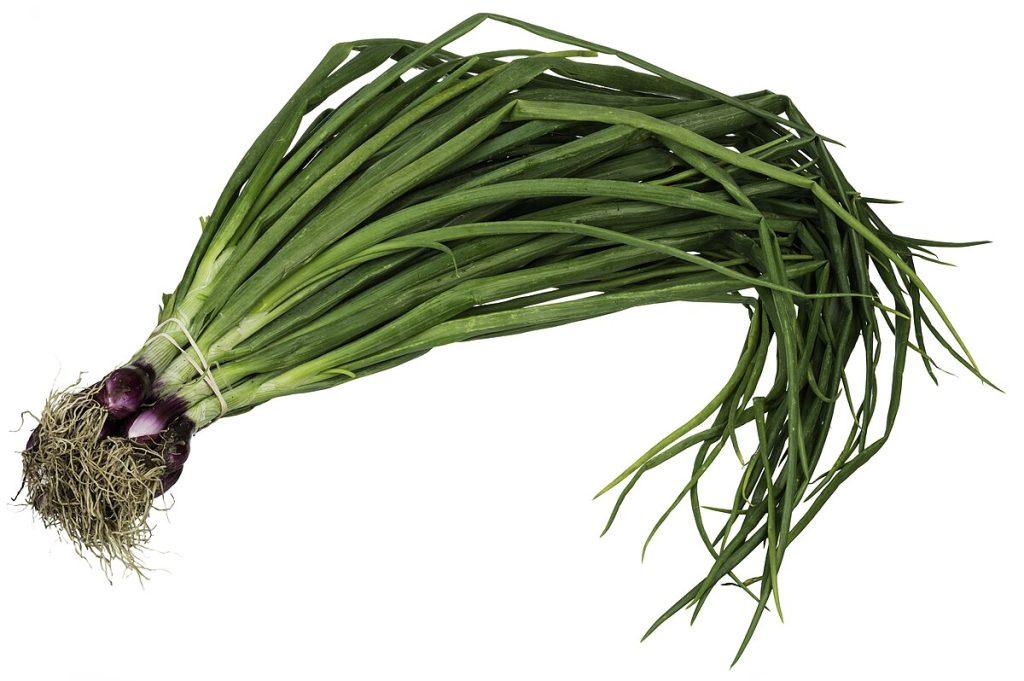
Green onions, also known as scallions or spring onions, are easily recognized by their long, slender green stalks and small white bulbs. Unlike regular onions that develop large bulbs, green onions are harvested early, which gives them a much milder and fresher taste.
Because their flavor is gentle and not overpowering, they are commonly used as toppings or added at the final stage of cooking to preserve their crisp texture and vibrant color. They are popular in salads, soups, stir-fries, omelets, sauces, and light dishes where a subtle onion flavor is preferred.
Nutritionally, green onions are rich in essential vitamins that contribute significantly to overall health. They contain a good amount of vitamin C, a powerful antioxidant that helps strengthen the immune system by supporting the body’s ability to fight infections and reduce inflammation. Vitamin C also plays a key role in wound healing and helps protect body cells from damage caused by free radicals. Regular consumption of green onions can therefore help the body stay resilient against common illnesses.
In addition, green onions provide vitamin A, mainly in the form of beta-carotene, which is important for maintaining healthy skin, good vision, and a strong immune response. Vitamin A supports the growth and repair of skin cells, helping to keep the skin smooth and healthy.
It also contributes to eye health by supporting proper vision, especially in low-light conditions. When combined, the vitamins found in green onions work together to support immunity, enhance skin health, and promote overall well-being, making them a valuable and easy addition to a balanced diet.
5. Shallots

Shallots are a smaller and more refined member of the onion family, known for their elongated shape and thin, papery skin that can range from light brown to reddish-purple. Compared to regular onions, shallots have a more delicate and slightly sweet flavor with mild hints of garlic.
This subtle taste makes them especially popular in sauces, dressings, and gourmet cooking, where a balanced and elegant flavor is desired rather than a strong onion bite. Chefs often prefer shallots because they blend smoothly into dishes, enhancing the overall taste without overpowering other ingredients.
In addition to their culinary appeal, shallots offer important nutritional benefits. They are a good source of essential minerals such as potassium and iron, both of which play vital roles in maintaining good health.
Potassium helps regulate fluid balance in the body, supports proper muscle function, and contributes to healthy blood pressure levels. Adequate potassium intake is also important for heart health, as it helps counter the effects of excess sodium in the diet.
Iron, on the other hand, is essential for blood health and energy production. It is a key component of hemoglobin, the protein in red blood cells that carries oxygen throughout the body. Consuming iron-rich foods like shallots can help prevent fatigue and support steady energy levels, especially for people with higher iron needs.
When combined, the minerals found in shallots help support healthy blood circulation, improve energy, and promote overall well-being. With their refined flavor and valuable nutrients, shallots are both a culinary favorite and a nutritious addition to a healthy diet.
Nutritional Value of Onions
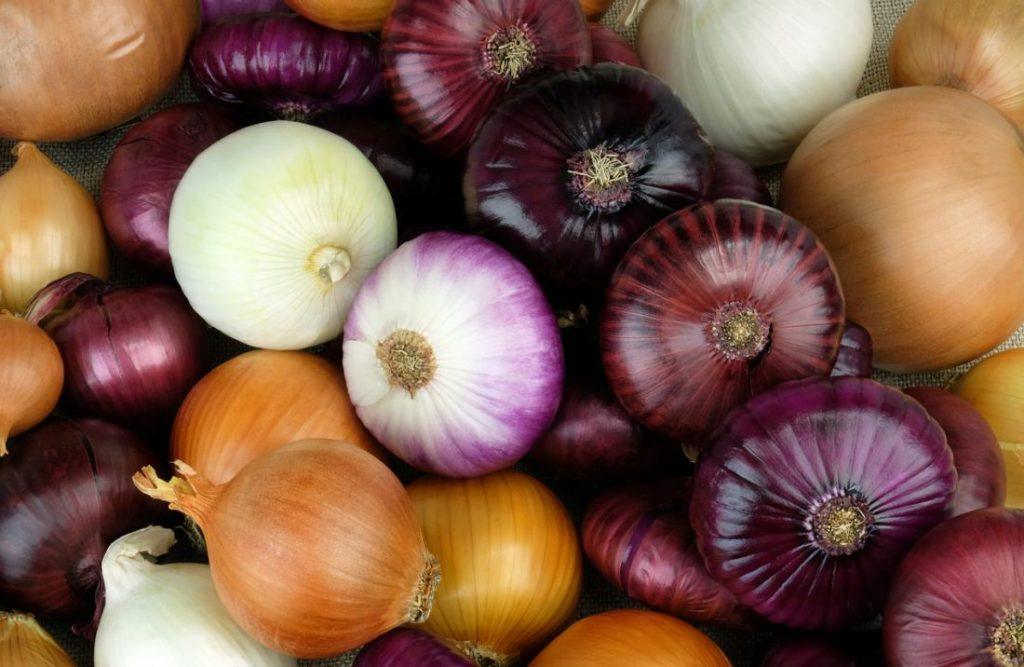
Onions may look simple, but they are packed with important nutrients that support the body.
Onions contain:
- Vitamin C
- Vitamin B6
- Folate
- Potassium
- Fiber
- Antioxidants
- Sulfur-containing compounds
These nutrients work together to protect cells, fight infections, and maintain balance in the body.
Benefits of Onions
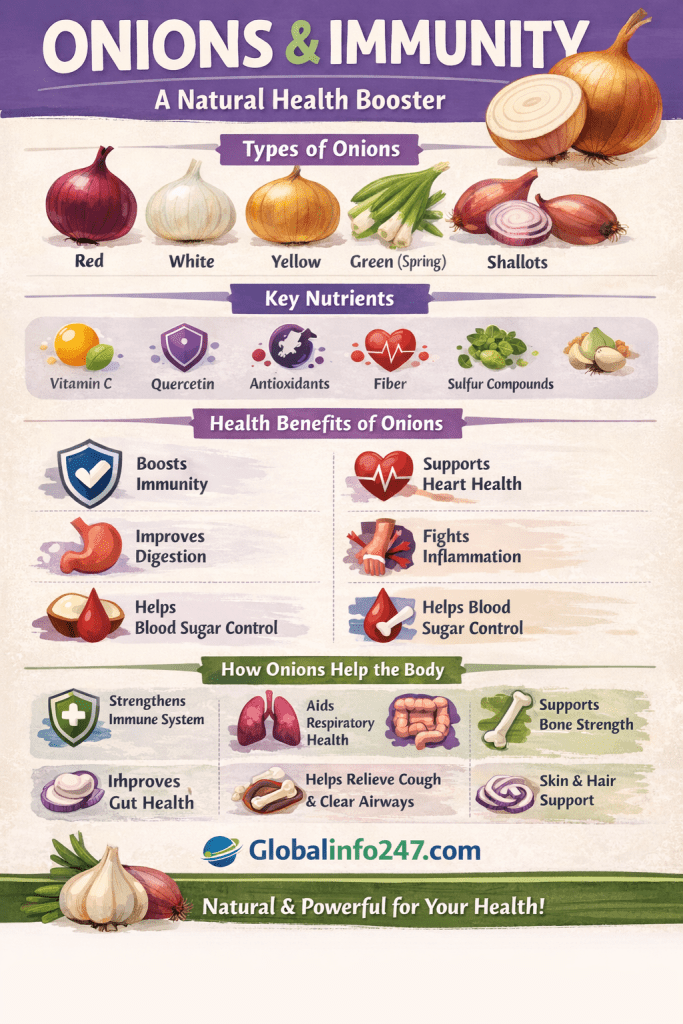
1. Boosts Immunity
One of the strongest benefits of onion is its ability to support the immune system. Onions contain antioxidants and sulfur compounds that help the body fight harmful bacteria, viruses, and toxins. Vitamin C in onions helps the body produce white blood cells, which are responsible for defending against infections. Regular consumption of onions can help reduce the frequency of common illnesses such as colds and flu.
2. Fights Inflammation
Inflammation is the body’s natural response to injury or infection, but long-term inflammation can lead to health problems. Onions contain quercetin, a natural compound that helps reduce inflammation in the body. This benefit is useful for people dealing with joint pain, muscle soreness, or inflammatory conditions.
3. Supports Heart Health
Onions help improve heart health in several ways. They help lower bad cholesterol levels and support healthy blood circulation. The antioxidants in onions reduce oxidative stress, which can damage blood vessels over time. Sulfur compounds in onions also help prevent blood clots, reducing the risk of heart-related problems.
4. Helps Control Blood Sugar
Onions can help regulate blood sugar levels. Certain compounds in onions improve insulin sensitivity, which allows the body to use sugar more effectively. This makes onions a helpful food for people managing blood sugar concerns or trying to maintain stable energy levels throughout the day.
5. Improves Digestion
Onions are a good source of dietary fiber, which supports digestion. They also contain prebiotics, which feed healthy bacteria in the gut. A healthy gut improves nutrient absorption, boosts immunity, and supports overall well-being.
6. Supports Respiratory Health
Traditionally, onions have been used to relieve coughs, congestion, and breathing difficulties. Their natural antibacterial and anti-inflammatory properties help clear airways and reduce irritation. Warm onion-based soups or onion-infused remedies are often used during cold seasons.
7. Strengthens Bones
Onions contain compounds that help improve bone density. Regular consumption may reduce the risk of bone weakness, especially as people age. This benefit is important for long-term mobility and overall body strength.
8. Supports Skin and Hair Health
The antioxidants and vitamins in onions help protect skin cells from damage. Vitamin C supports collagen production, which keeps skin firm and healthy. Sulfur in onions also plays a role in hair growth by supporting strong hair strands and reducing breakage.
What Onions Do in the Human Body
When onions are eaten, the body breaks them down and absorbs their nutrients. These nutrients then begin working in different systems of the body.
1. In the Immune System
Onion compounds stimulate immune cells and help the body respond faster to infections. They also reduce oxidative stress, which weakens immunity over time.
2. In the Digestive System
Onions improve gut health by feeding good bacteria. This leads to better digestion, improved nutrient absorption, and stronger immune defense.
3. In the Blood and Circulation
Onions help thin the blood slightly, improve circulation, and reduce pressure on the heart. This supports better oxygen flow throughout the body.
4. In the Cells
Antioxidants in onions protect cells from damage caused by free radicals. This slows down cell aging and supports long-term health.
5. In the Respiratory System
Onions help reduce mucus buildup and inflammation in airways, making breathing easier and reducing discomfort during colds or allergies.
Best Ways to Consume Onions
Onions can be eaten in many forms, and each method offers different benefits.
- Raw onions: Retain the highest amount of antioxidants
- Cooked onions: Easier to digest and still beneficial
- Onion tea or water: Traditionally used for immunity and cough relief
- Soups and stews: Comforting and immune-supportive
For maximum benefit, a mix of raw and cooked onions is recommended.
Possible Side Effects
While onions are generally safe, excessive consumption may cause:
- Stomach discomfort
- Gas or bloating
- Heartburn in sensitive individuals
Moderation is key, especially for people with digestive sensitivities.
In conclusion, onions are more than just a cooking ingredient. They are a natural health booster that supports immunity, digestion, heart health, and overall body function. With different types offering slightly different benefits, onions can easily fit into everyday meals.
By regularly including onions in your diet, you give your body access to powerful natural compounds that help fight illness, protect cells, and keep vital systems functioning properly. Simple, affordable, and widely available, onions prove that good health does not always require complex solutions—sometimes it starts with what is already in your kitchen.
Summary: Onion and Its Health Importance
| Category | Summary |
|---|---|
| What Onion Is | A nutrient-rich vegetable from the Allium family used for food and natural health support |
| Main Types of Onion | Red, White, Yellow, Green (Spring), Shallots |
| Key Nutrients | Vitamin C, Vitamin B6, Folate, Potassium, Fiber |
| Active Compounds | Quercetin, sulfur compounds, antioxidants |
| Primary Health Benefits | Boosts immunity, reduces inflammation, supports heart health |
| Digestive Role | Improves gut bacteria and aids digestion |
| Immune Support | Helps fight infections and strengthens immune response |
| Heart Health Role | Supports blood circulation and cholesterol balance |
| Blood Sugar Effect | Helps regulate blood sugar levels |
| Respiratory Benefits | Helps relieve cough and clear airways |
| Skin & Hair Support | Supports collagen production and hair strength |
| Bone Health | Helps maintain bone strength |
| Best Consumption Methods | Raw, cooked, soups, stews |
| Raw Onion Benefit | Higher antioxidant content |
| Cooked Onion Benefit | Easier digestion and milder taste |
| Traditional Uses | Used for cold relief and infection support |
| Possible Side Effects | Gas, bloating if consumed in excess |
| Overall Health Role | Protects cells and supports body systems naturally |