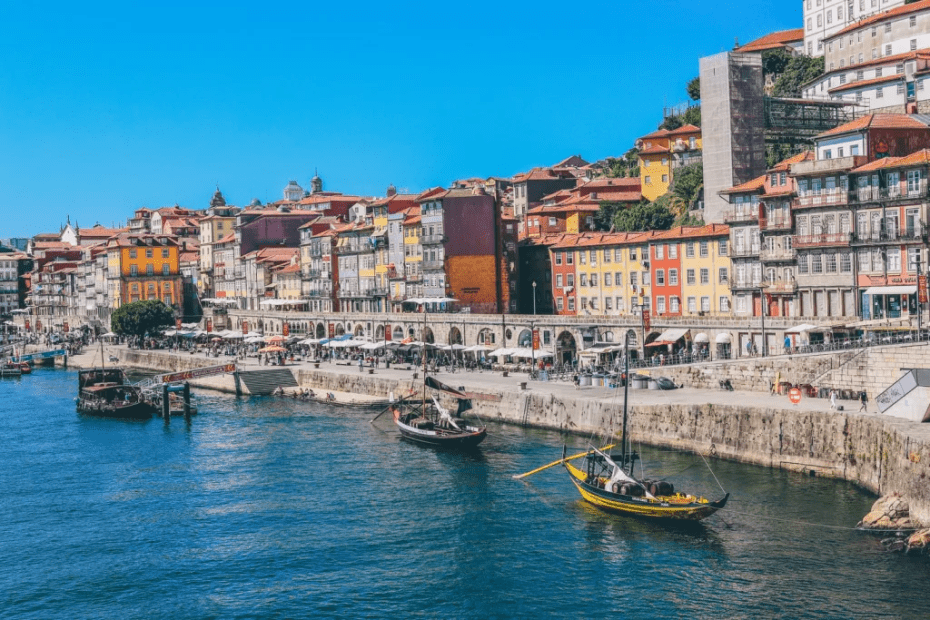
Living in Europe is often seen as a luxury reserved for people with high incomes, strong currencies, or corporate jobs. While this may be true for cities like London, Paris, or Zurich, it is far from the full picture. Europe is not a single economic environment. It is a collection of countries with vastly different living costs, wages, lifestyles, and standards of living.
For students, digital nomads, retirees, freelancers, and even families, there are European countries where daily life is genuinely affordable without sacrificing safety, culture, or basic comfort. In many cases, living in these countries can cost less than life in North America or major global cities while still offering access to Europe’s infrastructure, healthcare systems, and travel opportunities.
This article explores the cheapest countries to live in Europe, not just by listing them, but by explaining why they are affordable, what daily life looks like, and what kind of person each country is best suited for.
What Determines the Cost of Living in Europe?
Before identifying the cheapest countries, it is important to understand what actually makes one country more affordable than another. Cost of living is not based on rent alone. It is shaped by a combination of economic, social, and structural factors.
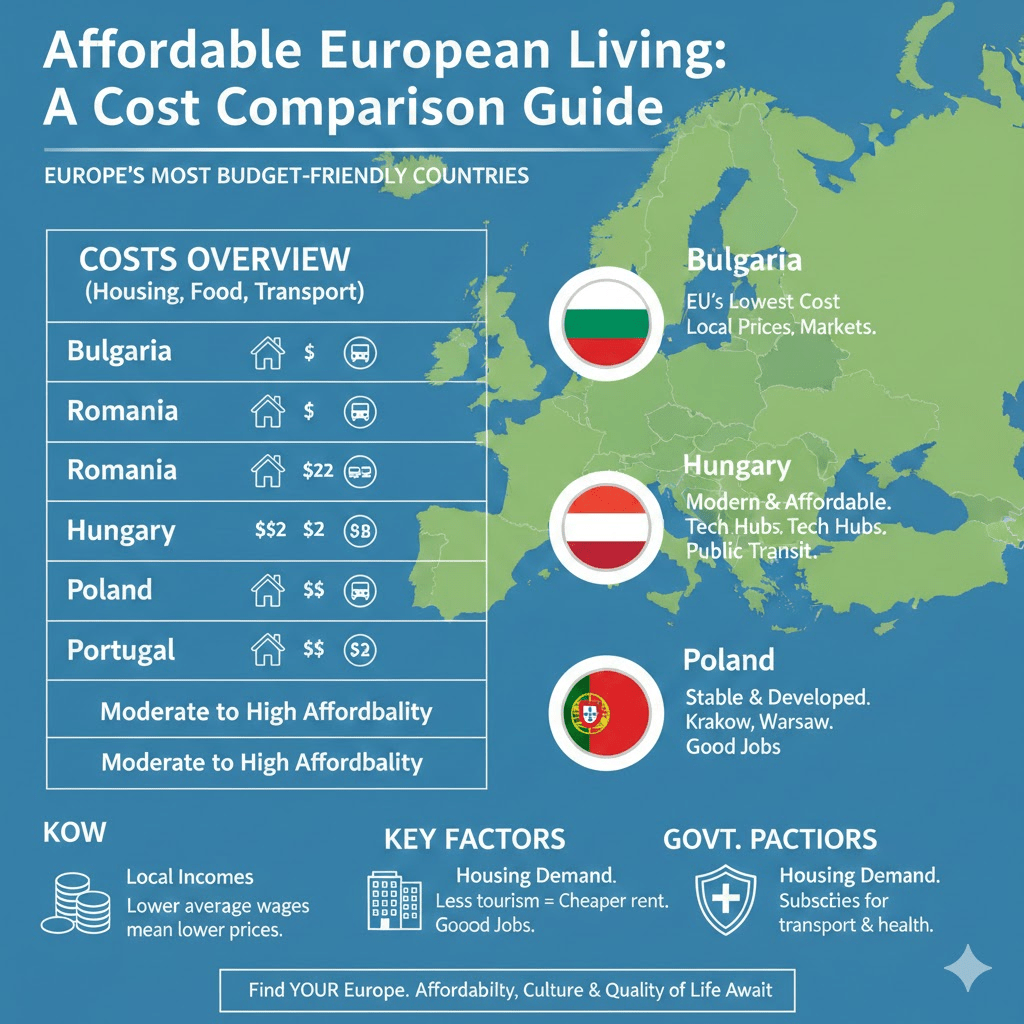
One of the biggest factors is local income levels. Countries with lower average wages tend to have lower prices for housing, food, and services. This does not necessarily mean a lower quality of life, but it does mean prices are adjusted to what locals can realistically afford.
Another major factor is housing demand. Countries that are less tourist-focused or not global financial hubs usually have much lower rent prices. In contrast, cities flooded with short-term rentals and foreign investors experience higher housing costs.
Finally, government policies, such as subsidies for public transport, healthcare, and utilities, can dramatically reduce everyday expenses for residents.
Understanding these factors helps explain why many Eastern, Southeastern, and parts of Southern Europe remain affordable.
Bulgaria: One of Europe’s Lowest-Cost Countries
Bulgaria is often ranked as the cheapest country to live in the European Union, and this reputation is well deserved.
Daily life in Bulgaria is affordable largely because prices reflect local income levels. Rent, food, transportation, and services are all priced for Bulgarian salaries, which are lower than those in Western Europe. For foreigners earning remotely or bringing income from abroad, this creates a significant cost advantage.
Housing is one of Bulgaria’s strongest points. In cities like Sofia, Plovdiv, or Varna, renting an apartment is considerably cheaper than in Western Europe. Utilities, including electricity, water, and internet, are also reasonably priced.
Food costs are another advantage. Local produce is widely available and inexpensive, especially when purchased from markets rather than supermarkets. Eating out is affordable, and traditional meals are filling and budget-friendly.
However, Bulgaria is not without challenges. English is less commonly spoken outside major cities, and bureaucratic processes can feel slow. That said, for people willing to adapt, Bulgaria offers one of the lowest overall living costs in Europe with access to EU benefits.
Romania: Affordable Living with Modern Infrastructure
Romania offers a unique balance between affordability and modernization. While still inexpensive compared to Western Europe, Romania has seen significant growth in infrastructure, technology, and urban development.
Housing costs in Romania are low, especially outside the capital. Cities like Cluj-Napoca, Timisoara, and Brasov offer a high standard of living at a fraction of the cost found in Western European cities. Even Bucharest, Romania’s largest city, remains relatively affordable.
Food is both cheap and high quality. Local markets sell fresh fruits, vegetables, meat, and dairy at low prices. Restaurants, especially those serving Romanian cuisine, are accessible to people on modest budgets.
Read Also: Poultry Farming: One of the Most Profitable Agribusinesses in the World
Romania also stands out for its growing technology and outsourcing sectors, which create job opportunities for skilled workers. Internet infrastructure is among the best in Europe, making it attractive to remote workers.
The main drawbacks include uneven public services in rural areas and a language barrier for newcomers. Still, Romania provides strong value for money and a comfortable lifestyle for those seeking affordability without isolation.
Hungary: Cultural Richness at a Low Cost
Hungary, and particularly Budapest, attracts expats due to its architectural beauty, cultural life, and manageable living costs.
Budapest offers relatively affordable housing compared to other European capitals. Public transportation is efficient and inexpensive, reducing the need for private vehicles. Food costs remain low, whether shopping at local markets or dining out.
Hungary’s affordability is supported by government subsidies and a strong public transport network. Cultural events, museums, and entertainment options are accessible without high ticket prices.
That said, Hungary’s economy offers lower average wages, which can be limiting for those relying on local employment. Additionally, the Hungarian language is difficult for many foreigners. Despite these challenges, Hungary remains one of the most affordable countries for enjoying a vibrant European city life.
Poland: Affordable, Stable, and Well-Developed
Poland has become one of the most popular affordable destinations in Europe due to its economic stability, modern cities, and reasonable living costs.
Cities such as Krakow, Wroclaw, and Gdansk offer a strong quality of life with good public services, reliable infrastructure, and affordable housing. Warsaw, while more expensive, is still cheaper than many Western European capitals.
Poland’s food costs are moderate, with affordable grocery prices and reasonably priced restaurants. Public transportation is well developed and inexpensive, making daily commuting affordable.
One of Poland’s strengths is its balance. While not the cheapest country on this list, it offers better job opportunities, higher wages, and a more developed economy than some lower-cost alternatives.
Winter heating costs can be higher due to colder temperatures, but overall, Poland provides long-term stability for people planning to settle rather than just visit.
Portugal: Affordable Living with a High Quality of Life
Portugal is often described as one of Europe’s best value countries rather than the absolute cheapest. While living costs have increased in major cities, Portugal remains affordable compared to much of Western Europe.
Housing costs vary significantly by location. Lisbon and Porto are more expensive, but smaller cities and inland regions remain accessible. Food costs are reasonable, especially when buying local produce and seafood.
Healthcare in Portugal is widely praised. The public system is reliable, and private healthcare is affordable, making it appealing for retirees.
Portugal’s mild climate reduces utility expenses, and its relaxed lifestyle appeals to those seeking balance rather than fast-paced city life. The downside is lower average salaries, which may not suit those dependent on local employment.
Cost Comparison Overview
The table below provides a simplified comparison of affordability across selected countries:
| Country | Housing Costs | Food Costs | Transport Costs | Overall Affordability |
|---|---|---|---|---|
| Bulgaria | Very Low | Very Low | Low | Extremely High |
| Romania | Low | Low | Low | Very High |
| Hungary | Low | Low | Very Low | High |
| Poland | Moderate | Moderate | Low | Moderate to High |
| Portugal | Moderate | Moderate | Moderate | Moderate |
Choosing the Right Country for You
Affordability alone should not be the only deciding factor. Lifestyle preferences matter just as much. Some people value warm climates, others prioritize career growth, while some prefer quiet, low-pressure environments.
Eastern Europe tends to offer the lowest costs but may require cultural adjustment. Southern Europe offers comfort and climate at a slightly higher price. Central Europe provides balance and structure with moderate affordability.
Understanding your priorities — income source, language comfort, climate preference, and long-term goals — will help determine which country fits best.
Frequently Asked Questions
1. Are Eastern European countries safe to live in?
Yes, many Eastern European countries are safe, especially in urban areas. Crime rates are generally lower than in many large Western cities. As with any location, safety depends on neighbourhoods and personal awareness.
2. Can foreigners live cheaply in Europe without citizenship?
Yes. Many countries offer long-stay visas, residence permits, or digital nomad programs. Costs remain low for residents, though healthcare and insurance requirements may apply.
3. Is healthcare affordable in cheap European countries?
Most European countries offer public healthcare systems that are affordable or subsidized. Private healthcare is also generally cheaper than in many non-European countries.
4. Is it realistic to live in Europe on a modest income?
In the countries listed, yes. With careful budgeting and location choice, a modest income can support a comfortable lifestyle, especially for individuals or couples.
Europe is far more accessible than many people assume. While luxury destinations dominate social media, a quieter and more affordable Europe exists just beneath the surface. Countries like Bulgaria, Romania, Hungary, Poland, and Portugal prove that it is possible to enjoy European life without extreme financial pressure.
The key is choosing wisely, understanding local conditions, and aligning your lifestyle expectations with reality. For those willing to look beyond the most famous cities, Europe offers affordability, culture, and quality of life in equal measure.
Read Also: A Comprehensive Guide to Jeff Belzer Fresh Start Financing