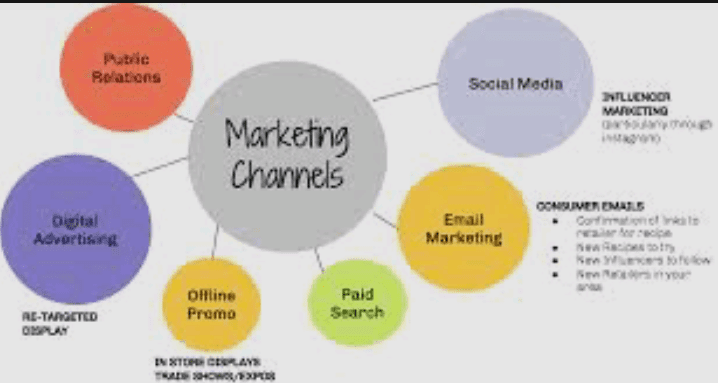
Marketing channels (also known as channel marketing) are the platforms and methods businesses use to reach their target audience and promote products or services. Choosing the right marketing channel is critical because it directly affects campaign reach, effectiveness, cost, and return on investment (ROI).
A successful marketing strategy depends on understanding the available channels and selecting the ones that best align with business goals, customer preferences, and budget.
Types of Marketing Channels
1. Direct Marketing
Direct marketing involves communicating directly with customers through channels such as email, SMS, telemarketing, and direct mail.
This approach allows businesses to personalize messages, target specific audiences, and measure results easily, making it highly effective for customer engagement and conversions.
2. Online (Digital) Marketing
Online marketing includes channels such as:
- Search Engine Optimization (SEO)
- Search Engine Marketing (SEM)
- Social media marketing
- Display and online advertising
Digital marketing is cost-effective and allows businesses to reach large audiences quickly while tracking performance in real time.
3. Traditional Marketing
Traditional marketing uses offline media such as:
- Newspapers and magazines
- Television and radio
- Flyers and brochures
While it offers wide exposure, traditional marketing is often more expensive and less personalized compared to digital channels.
4. Referral Marketing
Referral marketing encourages existing customers to recommend a business to others.
This channel is powerful because it leverages trust, credibility, and word-of-mouth to attract new customers at a lower cost.
5. Influencer Marketing
Influencer marketing involves collaborating with individuals who have a strong following on social media.
By using trusted voices, businesses can increase brand awareness, credibility, and engagement among targeted audiences.
Read Also: Poultry Farming: One of the Most Profitable Agribusinesses in the World
Choosing the Right Marketing Channel

When selecting a marketing channel, businesses should consider:
- Target audience
- Marketing objectives
- Budget
- Expected return on investment (ROI)
The right channel ensures effective communication, better engagement, and improved campaign success.
Read Also: Top Insurance Companies in Nigeria and their Address
What Is Omnichannel Marketing?
Omnichannel marketing is a strategy that integrates multiple channels to deliver a seamless and consistent customer experience across all touchpoints.
Customers may interact with a brand through websites, mobile apps, social media, email, or physical stores—and omnichannel marketing ensures these experiences are connected and personalized.
Benefits of Omnichannel Marketing
- Reaches customers at the right time and place
- Provides consistent brand experiences across channels
- Improves customer engagement and loyalty
- Increases sales and long-term revenue
To succeed, businesses need accurate customer data, proper analytics tools, and strong collaboration across teams.
Importance of Channel Marketing
Channel marketing focuses on promoting products through intermediaries such as retailers, distributors, and resellers. It plays a vital role in expanding market reach and improving sales performance.
Key Benefits of Channel Marketing
- Increased reach: Access to wider customer bases through partners
- Cost efficiency: Reduced need for in-house sales teams
- Brand awareness: Educates partners and customers about products
- Customer loyalty: Trusted intermediaries drive repeat business
- Better customer insight: Feedback from partners helps refine offerings
Channel Marketing Policy Overview
A channel marketing policy defines how a company works with its channel partners. It sets expectations, roles, incentives, and operational guidelines to ensure consistency and performance.
Purpose of a Channel Marketing Policy
- Establish clear rules for partner relationships
- Guide marketing programs and promotions
- Improve sales performance and market share
Key Elements of a Channel Marketing Policy
- Channel Partner Selection: Criteria for choosing partners
- Marketing Support: Training, materials, and lead generation
- Sales Incentives: Discounts, bonuses, and co-op funding
- Communication Guidelines: Updates, feedback, and training
- Conflict Resolution: Clear process for resolving disputes
Benefits of a Channel Marketing Policy
- Increased sales and revenue
- Improved customer satisfaction
- Expanded market reach
- Stronger brand image and reputation
Marketing channels and channel marketing are essential to business growth and competitiveness. By choosing the right channels, adopting an omnichannel approach, and implementing a strong channel marketing policy, businesses can reach more customers, build lasting relationships, and achieve their marketing goals effectively.
Read Also: The Dark Side of Deepfake AI-Generated Content and How it May Tear the World Apart if Not Handled